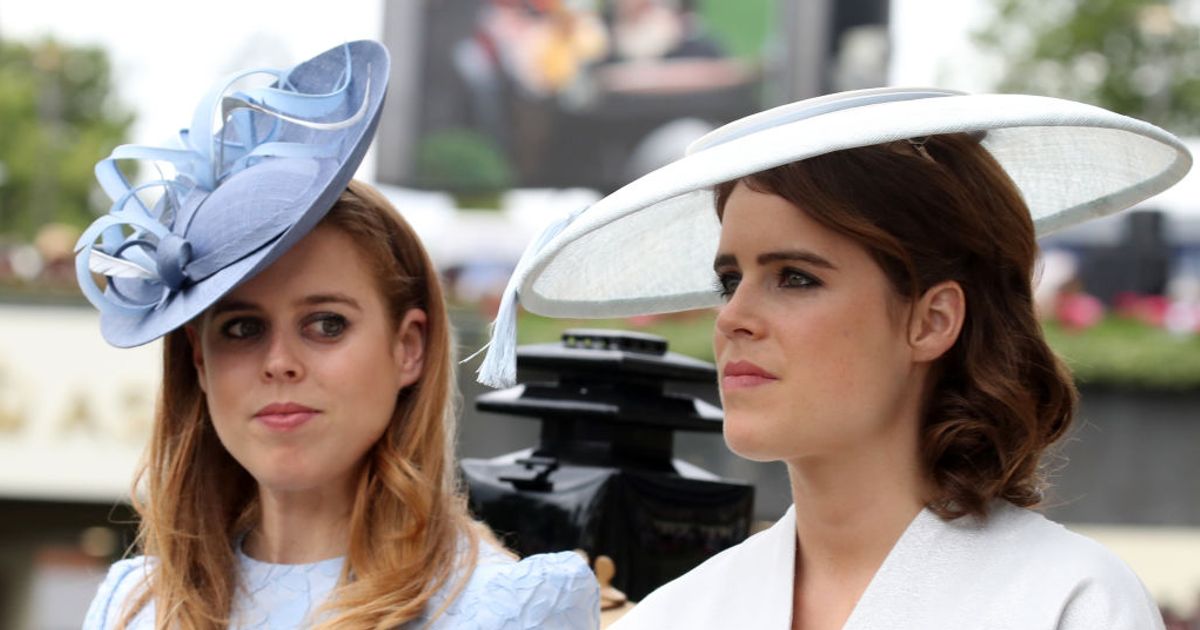
The Palace Papers Unveiled: Why Princesses Beatrice & Eugenie Face Royal Exclusion
Recent headlines have cast a spotlight on Princesses Beatrice and Eugenie, suggesting a notable shift in their involvement with key royal events and even their relationship with cousins Prince William and Prince Harry. The phrase beatrice eugenie banned has echoed through royal circles, painting a complex picture of modern monarchy navigating public perception and historical challenges. This article delves into the multi-faceted reasons behind these reported exclusions, examining both contemporary concerns and long-standing familial dynamics that have shaped the lives of the York sisters.
The Recent Royal Ascot Exclusion: A Fallout from the Epstein Files
One of the most immediate and impactful instances of exclusion for Princesses Beatrice and Eugenie involves their reported absence from Royal Ascot. This prestigious annual horse racing event, a staple of the royal calendar, often sees members of the Royal Family gathering in the royal box. However, it has been understood that the sisters will not be joining the royals this year. The reason cited by sources is a growing concern within the Royal Household regarding the House of York's connection to the ongoing discussions surrounding the Epstein files.
This move is not an isolated incident; rather, it appears to be part of a broader strategy. Sources suggest a wider exclusion of the princesses from all public events for the foreseeable future, signaling a proactive effort by the Palace to manage its public image. The implications are significant, particularly for Beatrice, who is said to have "taken it the hardest" and been "completely blindsided by all of this." The scrutiny extends even to photographic opportunities, with Prince William reportedly advising other royals to avoid appearing in photographs with the sisters for the remainder of the year. This carefully orchestrated distancing highlights the immense pressure on the monarchy to maintain an untarnished image in the face of persistent controversies.
For a deeper dive into this specific event, you can read more at Royal Exclusion: Beatrice & Eugenie Banned From Ascot Amid Epstein Fears.
A Historical Precedent: The Cousins' Alleged "Ban" Post-Divorce
While the recent Royal Ascot exclusion stems from contemporary issues, claims have surfaced about an earlier period when beatrice eugenie banned was reportedly a reality in their childhood, specifically regarding their interaction with cousins Prince William and Prince Harry. According to author Tina Brown's book, The Palace Papers, the daughters of Prince Andrew and Sarah Ferguson were "banished" from spending time with their two cousins after their parents' divorce in 1996.
Brown claims that after a falling out between Sarah Ferguson and Princess Diana, Beatrice and Eugenie found their access to William and Harry restricted. Prior to the divorce, the cousins had reportedly spent considerable time together, making this alleged ban a significant shift in their young lives. The book suggests this pattern of separation continued "throughout their childhood," creating a divide that contrasted sharply with their earlier closeness. Brown's narrative further touches upon what she describes as a "destructive side to Diana’s mothering," suggesting complex internal family dynamics at play that influenced the relationships between the younger generation of royals. This historical perspective adds another layer to understanding the challenges the York sisters have faced within the royal structure.
Navigating Public Scrutiny: Beatrice and Eugenie's Recent Appearances
In the wake of heightened scrutiny and their reported exclusion from public events, Princesses Beatrice and Eugenie have adopted different approaches to public life. Since their father, Andrew Mountbatten-Windsor, was arrested, their public sightings have been notably rare, underscoring the shift in their royal roles.
- Princess Beatrice: Following a prolonged period away from the public eye, Beatrice was recently spotted taking a stroll through London with her husband, Edoardo Mapelli Mozzi, and companions. Dressed casually and clutching a takeaway coffee, her appearance offered a rare glimpse into her private life. Her previous public sighting dated back to late January at the World Economic Forum in Davos, highlighting her diminished public presence. The report that she was "completely blindsided" by the recent exclusion from Ascot suggests a personal struggle with the decisions being made by the Palace.
- Princess Eugenie: In contrast, Eugenie has maintained a slightly more visible, albeit casual, profile. She was photographed in Central London, appearing remarkably at ease despite the turmoil surrounding her family. She was seen carrying refreshments from Joe & The Juice and, just two days prior, was captured on camera collecting coffee with her husband, Jack Brooksbank, in Notting Hill. Sources described her as "chatting away with someone she knows and seemed very relaxed," adding that she was "laughing and joking" and "looked happy and at ease, not like someone trying to hide." Her composed public appearances suggest a resilience amidst the ongoing challenges.
The differing public dispositions of the sisters paint a compelling picture of how individuals within the Royal Family cope with immense pressure and sudden changes in their public roles. To understand more about their recent reactions, read Beatrice 'Blindsided,' Eugenie 'At Ease' Amid New Royal Scandal.
The House of York Under Pressure
The impact of the ongoing fallout connected to newly emerged evidence regarding her and Andrew's association with the late convicted sex offender Jeffrey Epstein has also heavily influenced Sarah Ferguson, Duchess of York. Reports indicate that the Duchess has been concentrating on her wellbeing, reportedly spending time at a luxury wellness facility in Switzerland during late December and January. She has maintained a very low profile since news of the arrest emerged, reflecting the significant strain on the entire House of York as they navigate these complex and sensitive issues.
Royal Protocols and Public Perception: Understanding the Dynamics
The decisions surrounding the exclusion of Princesses Beatrice and Eugenie from certain royal events, and the historical claims of their separation from William and Harry, underscore the intricate dynamics governing the British Royal Family. The monarchy operates not just as a family, but as an institution with a profound reliance on public trust and perception. When scandals or controversies arise, particularly those as severe as the Epstein allegations, the Palace often makes strategic decisions to safeguard the integrity and reputation of the crown.
This often involves a delicate balancing act between family loyalty and institutional responsibility. Public events like Royal Ascot are prime opportunities for the Royal Family to present a united and dignified front. Any association, however indirect, with individuals or circumstances that could tarnish this image is carefully managed. The reported advice from Prince William regarding photographs further illustrates the meticulous approach taken to control public narratives and shield the core working royals from perceived negativity.
From an analytical perspective, these events highlight:
- The Weight of Reputation: The Royal Family's decisions are heavily influenced by the imperative to maintain a positive public image, even if it means difficult choices for individual members.
- Strategic Distancing: The practice of subtly or overtly distancing certain members from public events when their presence could draw unwanted attention is a long-standing royal protocol.
- Historical Context Matters: Tina Brown's account of a childhood ban adds a historical layer, suggesting that the sisters have navigated complex family dynamics and scrutiny throughout their lives, not just recently.
- Individual Coping Mechanisms: The contrasting reactions of Beatrice and Eugenie to the current situation—one feeling "blindsided" and the other appearing "at ease"—demonstrate the diverse ways royal family members process and respond to intense public pressure.
Understanding these dynamics offers insight into the behind-the-scenes workings of the monarchy, where tradition, duty, and public opinion constantly intersect.
Conclusion
The narrative surrounding beatrice eugenie banned is a multifaceted one, encompassing both recent decisions driven by contemporary scandals and historical claims rooted in past familial discord. From their reported exclusion from Royal Ascot due to concerns linked to the Epstein files, to alleged childhood separation from their cousins William and Harry, the lives of Princesses Beatrice and Eugenie are clearly subject to unique pressures within the royal sphere. These events underscore the constant negotiation between personal lives and public duties that defines membership in the Royal Family. As the monarchy continues to evolve in a world of intense media scrutiny, the York sisters, like all royals, must navigate a landscape where every appearance, or indeed absence, carries significant weight and consequence.